

M.D. Medical Director, Psychiatrist
Reviewed by Dr. Olsen, M.D., Medical Director, Psychiatrist
Nobody takes a picture of the night before. The backpack is packed and the clothes are out, and you are lying awake running through a list of things you cannot control: whether she will find someone to sit with, whether the new teacher will get him, whether this year goes better than last year.
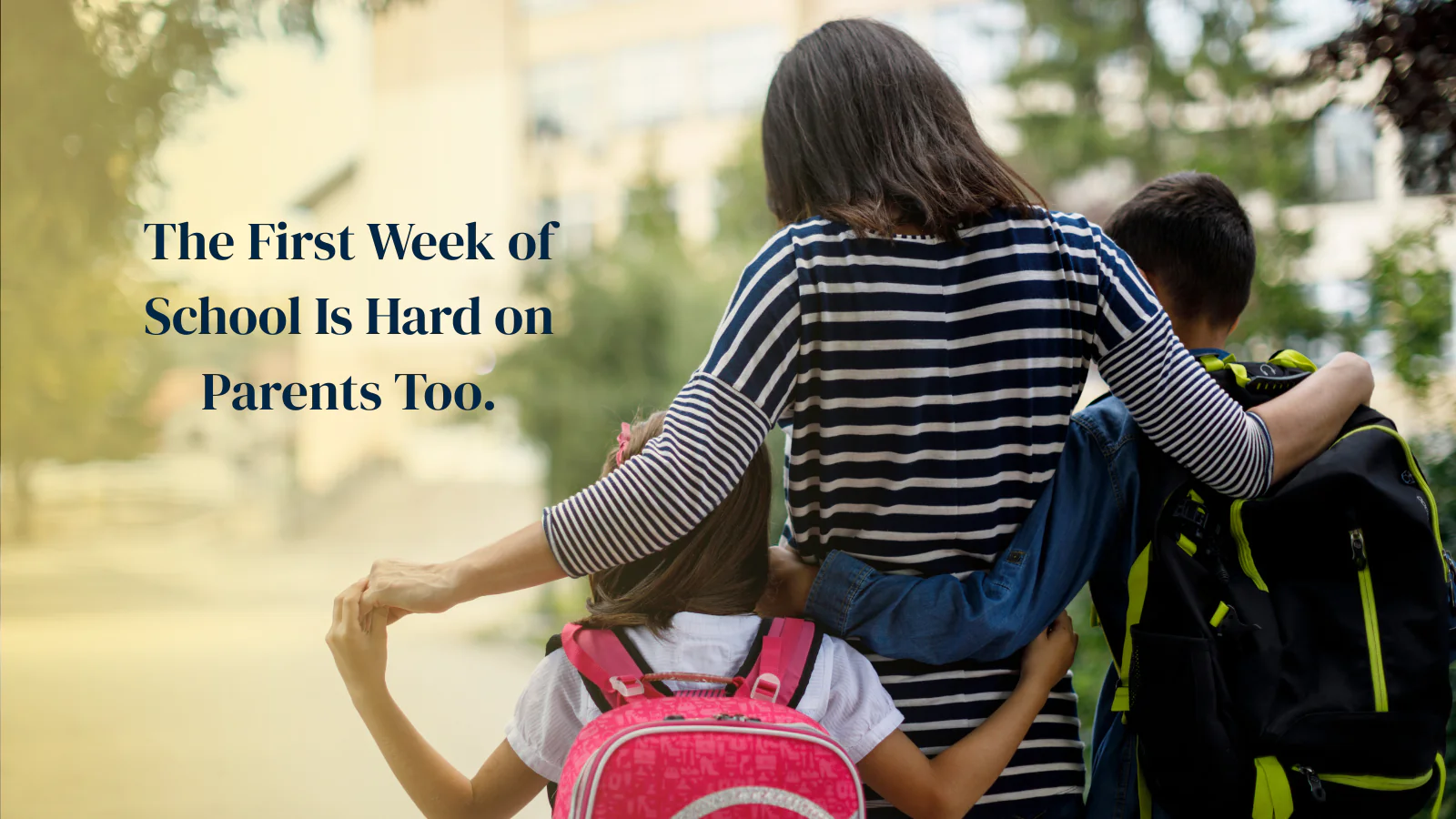
Back-to-school anxiety is usually framed as something kids have and parents manage. In most houses it is running in both directions at once, and that turns out to matter for how the first few weeks go.
The good news is that this kind of anxiety is common, usually short-lived, and responsive to a few specific things. Here is what is actually happening, what helps, and when it is worth bringing in more support.
Why does the start of school trigger so much anxiety?
A new school year asks a lot of a child all at once: a new teacher, a new schedule, unfamiliar classmates, higher academic expectations, and the social pressure of fitting in. Anxiety is the brain’s natural response to uncertainty, so a certain amount of nervousness before the first day is not only normal. It’s expected. For most kids, that unease fades as the new routine becomes familiar.
The transition can be harder after a long, loose summer. When bedtimes, meals, and screen time have drifted, the sudden return to structure feels abrupt. Add in the worries kids don’t always say out loud (Will I have friends in my class? What if the work is too hard?) and it’s easy to see why the first few weeks can feel overwhelming.
What does back-to-school anxiety look like?
Anxiety in children often shows up in the body before it shows up in words. Younger kids may complain of stomachaches or headaches, especially on school mornings. You might notice trouble falling asleep, changes in appetite, clinginess, irritability, or more frequent meltdowns. Older kids and teens may withdraw, procrastinate, or insist they’re “fine” while clearly running on edge.
None of these signs mean something is wrong with your child. They’re the visible edge of a nervous system working hard to adjust. Naming what’s happening can be surprisingly reassuring on its own. Try something like “It sounds like your body is nervous about tomorrow.”
When is it more than first-week nerves?
Ordinary back-to-school anxiety tends to ease within two to three weeks. It’s worth paying closer attention when the distress is intense, lasts longer than that, or starts to interfere with daily life: persistent school refusal, panic before leaving the house, frequent physical complaints with no medical cause, or a noticeable drop in mood or interest in things they used to enjoy.
Sometimes what looks like anxiety is pointing to something else. Ongoing difficulty focusing, finishing work, or staying organized can have a range of causes, and those patterns often become more visible when academic demands increase. Lingering sadness, hopelessness, or irritability can be signs of depression in teens. If any of that sounds familiar, it is worth raising with your child’s pediatrician or a mental health provider. These concerns are treatable, and getting clarity early makes a real difference.
How can parents help?
Start with the foundation: sleep and predictability. Re-establish consistent wake and bedtimes a week or two before school starts, and keep mornings as calm and routine as possible. Rehearse the logistics so fewer things feel unknown on day one: the route, the schedule, where to put their backpack.
When your child voices a worry, resist the urge to immediately fix or dismiss it. Validate first (“That makes sense, new things are hard”), then problem-solve together. Avoid over-reassurance that accidentally signals danger (“Are you sure you’re okay? Are you really sure?”). And remember that kids read your cues. Modeling steady, matter-of-fact confidence helps more than any pep talk.
What about the parents?
Back-to-school season is stressful for adults too. New schedules, logistics, and the quiet worry of watching your child struggle can leave parents anxious in their own right. That’s worth acknowledging, not ignoring. Taking care of your own stress isn’t separate from helping your child. It’s part of it, because calm is contagious in both directions.
If your own focus, follow-through, or organization has been a long-running struggle rather than a seasonal one, that is worth looking into as well. Adults often recognize those patterns in themselves for the first time while watching their child navigate school, and ADHD testing for adults can bring some clarity.
Frequently asked questions
Is back-to-school anxiety normal? Yes. Nervousness before a new school year is a typical stress response to change, and most children experience some version of it. It becomes worth a closer look when the anxiety is severe, lasts beyond the first few weeks, or keeps a child from attending school and doing the things they usually enjoy.
How long does back-to-school anxiety last? For most kids, it eases within two to three weeks as the new routine becomes familiar. Anxiety that intensifies over that period, or that is still going strong a month in, is a reasonable prompt to talk with a professional.
Should I let my child stay home if they are too anxious to go? Staying home tends to bring quick relief and make the next morning harder, because avoidance reinforces the worry. Where possible, a partial day, a check-in plan with the school, or a shortened schedule is usually more helpful than a full day at home. If school refusal is becoming a pattern, that is a sign to bring in support rather than manage it alone.
When to reach out for support
Most of what helps with back-to-school anxiety is not dramatic. Steady wake times, honest conversations, a little rehearsal, and the patience to let a nervous system catch up to something new. Most kids get there within a few weeks, and a handful of hard mornings in August is not a preview of the entire year.
When it does not settle on its own, that is worth taking seriously rather than waiting it out. If anxiety is lasting more than a few weeks, escalating, or keeping your child from school and the things they love, it may be time to talk with a professional.
BestMind supports teens and adults with in-person and telehealth appointments across Oregon and Washington. Reaching out early isn’t an overreaction. It’s one of the most supportive things a parent can do. See all the ways we can help and find the right starting point for your family.
