
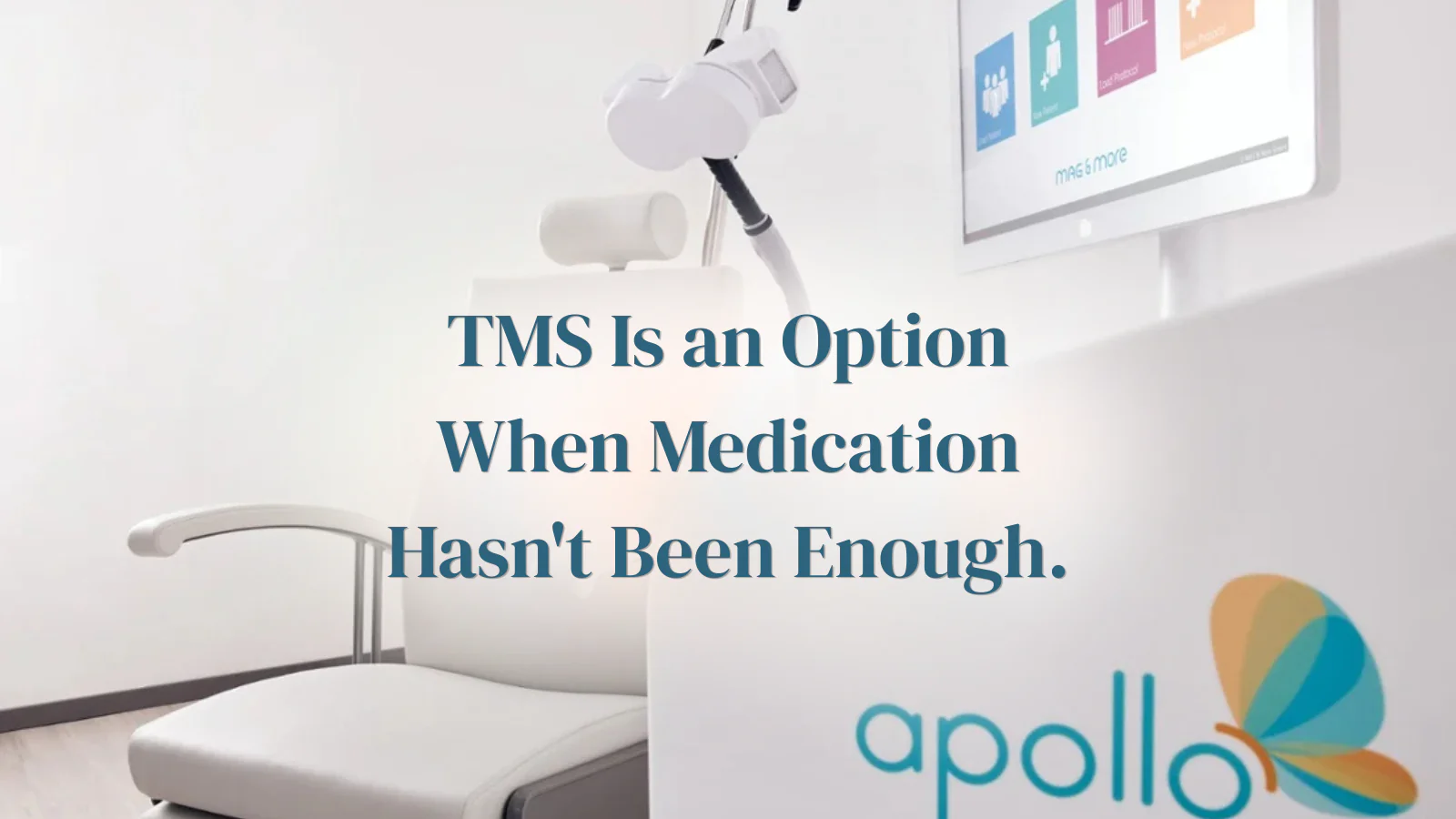
TMS (transcranial magnetic stimulation) is an FDA-approved, non-invasive treatment for depression offered at BestMind’s Bend clinic on NW Franklin Avenue. It uses gentle magnetic pulses to stimulate the areas of the brain that regulate mood, with no medication, no anesthesia, and no downtime. Sessions run about 20 to 40 minutes over four to six weeks.
Reviewed by Dr. Olsen, M.D., Medical Director, Psychiatrist
There is a specific kind of tired that comes from trying. Not the tired of having done nothing, but the tired of having done everything that was suggested: the first medication, then the second, then the one that helped for a while, then the dose adjustment, then the switch. You showed up for all of it.
If you are sitting in the pharmacy parking lot with another new prescription wondering how many more of these there are going to be, that question deserves a real answer. Depression that hasn’t responded to medication is common and well documented, and it does not mean you have run out of options. It usually means the options worth looking at next work differently than the ones you have already tried.
TMS is one of those options. Here is what it involves at our Bend clinic, who it tends to help, and what the results actually look like.
What is TMS therapy?
Transcranial magnetic stimulation, or TMS, delivers gentle, MRI-strength magnetic pulses to specific areas of the brain responsible for mood regulation. It’s FDA-approved, non-invasive, and requires no anesthesia or sedation. Unlike antidepressant medications that circulate through your entire body, TMS targets only the brain region involved in depression, which is why it avoids the systemic side effects many people struggle with on medication.
For people in Bend and across Central Oregon who feel stuck, who have tried medication and therapy without the relief they hoped for, TMS offers a genuinely different approach.
Who is TMS therapy for?
TMS is most often used for major depressive disorder, particularly when antidepressants haven’t provided adequate relief. This is sometimes called treatment-resistant depression. It can be a strong fit if you’ve tried one or more medications without success, if side effects have made medication hard to tolerate, or if you’d simply prefer a non-medication option.
TMS isn’t right for everyone, and the only way to know if it’s a good fit for you is an evaluation with a licensed provider. That conversation covers your history, your symptoms, and your goals, and it is always the first step, with no pressure and no commitment.
What does TMS look like at our Bend clinic?
Care at BestMind Bend follows a clear path. First, you meet with a licensed psychiatric provider to confirm TMS is right for you. Once approved, you’re paired with a dedicated care coordinator who walks you through every step. Before your first session, we map your brain to identify the exact treatment area, so your therapy is personalized rather than one-size-fits-all. That step is non-invasive and takes about 30 minutes.
From there, treatment sessions run about 20 to 40 minutes, five days a week, for four to six weeks. There’s no sedation and no recovery time. Most patients drive themselves and return to normal activities immediately afterward. The most common side effect is mild scalp discomfort during the session. There’s no weight gain, drowsiness, or cognitive fog the way there can be with medication. For patients who want a faster schedule, ask us about accelerated TMS.
Does TMS actually work?
Clinical research generally shows that 60 to 70 percent of patients respond to TMS therapy. BestMind’s own patient outcomes have been strong, with a 72.99% response rate and a 51.38% remission rate based on patient data from June 2022 through April 2025. Individual results vary, and your provider can talk through what’s realistic for your situation. For many people who had begun to lose hope, TMS has been a turning point.
Is TMS covered by insurance in Oregon?
Many insurance plans cover TMS therapy for qualifying patients. Our Bend clinic accepts most major Oregon plans, including Aetna, Providence Health Plan, PacificSource, Kaiser Permanente, United Healthcare, and Humana. Coverage depends on your specific plan and history, so we’re glad to help you verify your benefits before you begin.
Frequently asked questions
Does TMS hurt? Most people describe the sensation as a tapping or knocking on the scalp that takes some getting used to in the first few sessions. The most common side effect is mild scalp discomfort or a headache during or shortly after treatment, and it typically eases as you go. There is no sedation and no anesthesia involved.
How long is a full course of TMS? A standard course runs about four to six weeks, with sessions five days a week lasting roughly 20 to 40 minutes each. Your provider will map out the specific schedule with you, including any tapering at the end.
Do I have to stop taking my medication to try TMS? Not necessarily. Many people continue their current medication during a course of TMS. That decision belongs to you and your provider, based on what you have taken, how you have responded, and what you are hoping to change.
Serving Bend and Central Oregon
Starting TMS is a bigger decision than starting another prescription, and it deserves more than a brochure. The first step isn’t treatment. It’s a conversation with a provider who can look at your history and tell you honestly whether this is a reasonable fit for you.
BestMind’s Bend clinic is located at 250 NW Franklin Avenue, Suite 204, and serves patients throughout Central Oregon, including Redmond, Sisters, and Prineville. We’re open Monday through Friday, 8am to 5pm, and typically offer appointments for new patients within three to four days. To learn whether TMS is right for you, call (971) 300-0654 or request a free consultation. Relief may be closer than it feels right now.
