

M.D. Medical Director, Psychiatrist
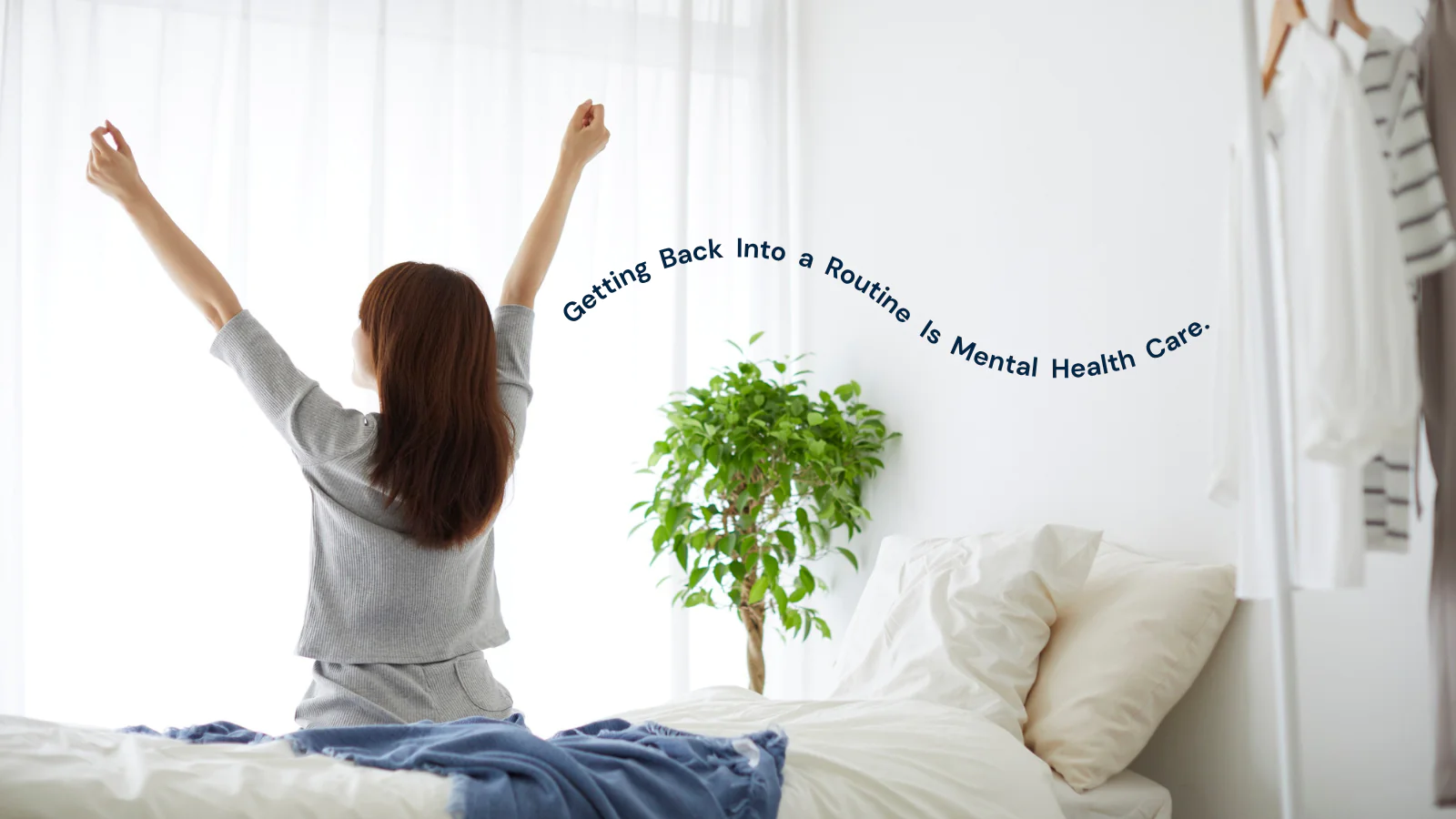
The shift from summer’s looseness back to structure can be jarring. Later nights, irregular meals, and less downtime all affect mood. Routine helps because predictability lowers stress and stabilizes sleep and energy. Rebuild gradually: start with a consistent wake time, add one anchor habit, and keep your expectations realistic rather than attempting a total overhaul.
The first sign is usually the light. Sometime in late August you notice it’s dark earlier than it was, and that registers somewhere before you’ve consciously thought about it. The season is turning, and your body tends to know it before your calendar does.
What follows is a familiar, slightly unmoored stretch. Summer let a lot of things slide, reasonably, and now everything wants to snap back into place at once. Work picks up. Schedules tighten. And you’re expected to operate at full capacity on a sleep schedule that’s been drifting since June.
Rebuilding a routine genuinely helps with this. Rebuilding all of it in a single weekend does not.
Why does the end of summer feel so disorienting?
Summer loosens things: later nights, spontaneous plans, vacations, and a general permission to let structure slide. It’s a welcome break. But when fall arrives and the demands of work, school, and schedules snap back into place, that shift can feel abrupt. Your sleep is off, your habits have drifted, and suddenly you’re expected to operate at full capacity again. If you feel a little unmoored this time of year, you’re not alone.
Why does routine matter for mental health?
Routine sometimes gets a bad reputation as rigid or boring, but for your brain, predictability is a form of safety. When the basic shape of your day is reliable, when you know roughly when you’ll wake, eat, work, and rest, your nervous system spends less energy bracing for the unknown. Consistent routines also stabilize sleep and your body’s internal clock, which directly affects mood, focus, and how well you handle stress.
Start with sleep
If you change only one thing, make it your wake-up time. A consistent wake time, even on weekends, anchors your entire circadian rhythm and makes falling asleep at night easier over time. Summer tends to push bedtimes later, so ease back gradually rather than forcing a dramatic shift. Fifteen to thirty minutes earlier every few days is far more sustainable than a sudden overhaul that collapses by week two.
Add one anchor at a time
The temptation at this time of year is to rebuild everything at once: new sleep schedule, new workout plan, new meal prep, new everything, starting Monday. That kind of overhaul rarely lasts. Instead, pick one anchor habit and let it stabilize before adding the next. A consistent morning routine, a regular lunchtime, or an evening wind-down can each become a reliable point the rest of your day organizes around.
Leave room for rest
Rebuilding routine doesn’t mean scheduling every hour. A good routine includes rest, unstructured time, and things you actually enjoy, otherwise it becomes one more source of pressure. The goal is a rhythm that supports you, not a rigid checklist that judges you when you fall short. Some flexibility is what makes a routine last.
Frequently asked questions
How long does it take to build a new routine? Longer than the popular three-week figure suggests, and the number varies widely from person to person and habit to habit. What matters more than the timeline is repetition and a low enough bar that you keep going during a bad week.
What if I break the routine after a few days? Missing a day is part of the process rather than evidence that it failed. The useful move is returning to it the next day without treating the gap as a reason to start over from scratch on some future Monday.
Is it normal to feel low at the end of summer? A stretch of feeling off during the transition is common, and it usually lifts as the new rhythm settles. Low mood that keeps going for weeks, or that deepens as daylight decreases, is worth taking seriously rather than waiting out.
When the slump doesn’t lift
It’s worth being gentle about all of this. The end of summer isn’t a deadline you missed, and a routine you rebuild slowly in September is still a routine. The point isn’t to have everything in place by a certain date. It’s to give yourself enough structure that the season change doesn’t knock you sideways. If you want ideas to start with, our blog has more on building sustainable habits.
A few weeks of feeling off as you readjust is normal. But if low mood, persistent fatigue, or loss of interest lingers well past the transition, or deepens as the days get shorter, it may be more than a seasonal adjustment. Seasonal shifts can affect mood in real, treatable ways. If that sounds familiar, BestMind offers support for depression and anxiety, in person and by telehealth, across Oregon and Washington.
