

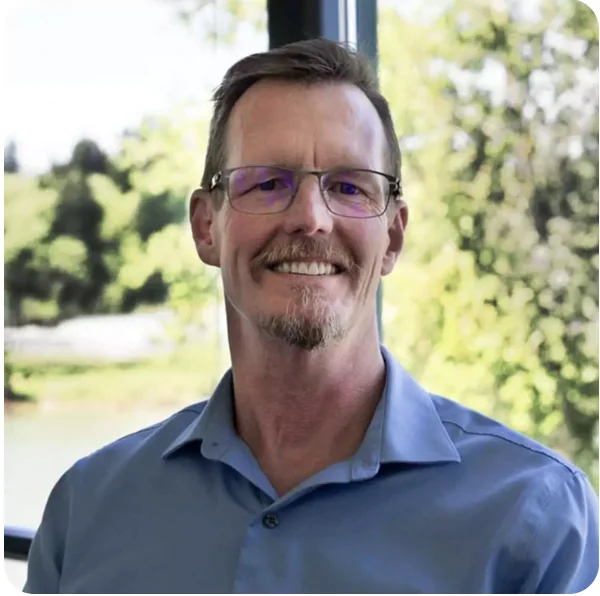
M.D. Medical Director, Psychiatrist
TMS therapy is an FDA-approved, non-invasive treatment for depression that hasn’t responded to medication. At BestMind’s Portland-area clinic in Tigard, gentle magnetic pulses stimulate mood-regulating brain regions. No drugs, no sedation, no downtime. A typical course runs about 20 to 40 minutes a day, five days a week, for four to six weeks.
If you’re reading this, you’ve probably already found the clinical description of TMS somewhere else. Magnetic pulses, FDA-approved, non-invasive, targets the mood-regulating regions of the brain. That part isn’t hard to find.
What’s harder to find is the practical version. What the room looks like. What a session actually feels like. Whether you can drive yourself home afterward, how many weeks of your life this takes, and what happens if it doesn’t work. Those are the questions people bring into a consultation, and they deserve straight answers before anyone commits to six weeks of anything.
So here’s the practical guide to TMS at our Portland area clinic in Tigard.
What is TMS, and how is it different from medication?
Transcranial magnetic stimulation (TMS) uses gentle, MRI-strength magnetic pulses to stimulate the areas of the brain that regulate mood. The biggest difference from antidepressants is where the treatment acts. Medication travels through your whole body, which is why it can cause side effects like weight gain, fatigue, or cognitive fog. TMS targets only the brain region involved in depression, so it works without those systemic effects.
It’s FDA-approved, non-invasive, and requires no anesthesia. For many people in the Portland area who haven’t found relief through medication alone, that combination is exactly what makes TMS worth exploring.
Is TMS right for you?
TMS is most commonly used for depression that hasn’t improved with antidepressants, often called treatment-resistant depression. It may be a good fit if you’ve tried one or more medications without enough relief, if side effects have made medication difficult, or if you’d prefer a non-medication path. It’s not the right choice for everyone, which is why every patient starts with an evaluation with a licensed provider to confirm it’s appropriate.
What to expect at our Portland-area clinic
BestMind’s Portland clinic is located in Tigard and follows a clear, supported process. You begin with an evaluation, and once approved, you’re paired with a dedicated care coordinator. Before treatment, we map your brain to pinpoint your personalized treatment area, a non-invasive step that takes about 30 minutes. Then you attend sessions of about 20 to 40 minutes, five days a week, for four to six weeks.
There’s no sedation and no recovery time, so most patients drive themselves and head straight back to their day. The most common side effect is mild scalp discomfort during the session.
What results can you expect?
Clinical studies generally find that 60 to 70 percent of patients respond to TMS. BestMind’s own outcomes have been strong, with a 72.99% response rate and a 51.38% remission rate based on patient data from June 2022 through April 2025. Individual results vary, and your provider can help set realistic expectations for your situation. If TMS isn’t the best fit, we also offer related options like esketamine (SPRAVATO) for treatment-resistant depression.
TMS and insurance in Portland
Many insurance plans cover TMS for qualifying patients. Our Portland-area clinic accepts most major Oregon plans, including Aetna, Providence, PacificSource, Kaiser Permanente, United Healthcare, and Humana. Because coverage depends on your plan and history, our team can help you verify your benefits before starting.
Frequently asked questions
What does a TMS session actually feel like? You sit in a chair, awake, while a coil rests against your head and delivers pulses in short bursts with pauses in between. Most people describe it as a tapping sensation that feels strange at first and becomes routine within the first week. You can talk, listen to music, or watch something during the session.
Can I drive myself home after TMS? Yes. Because there’s no sedation or anesthesia, most patients drive themselves to and from appointments and go back to work, school, or whatever else the day holds immediately afterward.
What happens if TMS doesn’t work for me? It isn’t the end of the road. Response rates are good but not universal, and your provider will track how you’re doing throughout the course rather than waiting until the end. If TMS isn’t the right fit, other options for treatment-resistant depression exist, including esketamine (SPRAVATO).
Serving Portland and the surrounding metro
If you’ve been researching this for a while without booking anything, that hesitation is understandable, especially if previous treatments raised your hopes and didn’t deliver. A consultation isn’t a commitment to six weeks of treatment. It’s a conversation about whether this makes sense for you at all.
BestMind’s Portland clinic sits at 13535 SW 72nd Avenue, Suite 170, in Tigard, serving Beaverton, Lake Oswego, Tualatin, West Linn, Sherwood, Southwest Portland, and the wider metro area. We’re open Monday through Friday, 8am to 5pm, with appointments for new patients typically within three to four days. To find out whether TMS is right for you, call (971) 300-0654 or request a free consultation.
