
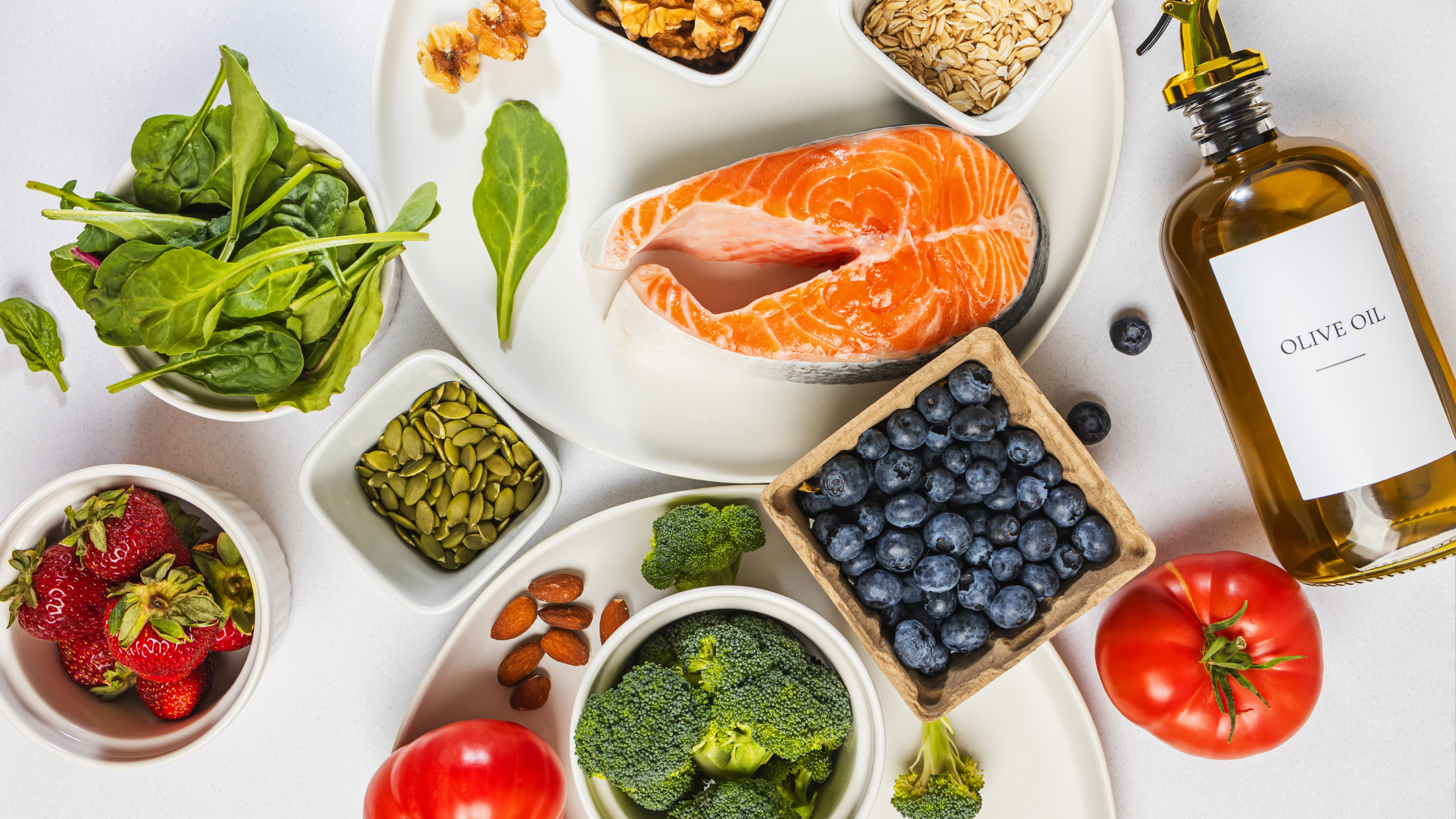
Inflammation is a natural part of the body’s healing process, but when it persists for a long time it can disrupt brain function and mood regulation. In fact, recent research shows a strong connection between chronic inflammation and mental health conditions like depression and anxiety.
In this article, we help you understand what inflammation is, how it impacts mental health, and how embracing anti-inflammatory foods can play a role in improving mental health.
What is inflammation?
Inflammation is the body’s natural defense mechanism. When our bodies become injured or infected, our immune system kicks in to protect itself by instructing our cells to fight off the invader. This healing process causes inflammation and leads to signs like redness, swelling, heat, and pain.
Inflammation is actually beneficial in the short-term. It’s a sign that your body is fighting off harmful invaders and repairing damage, whether it’s from a scraped elbow or a viral infection. But when inflammation stays for a long time – called chronic inflammation – it can suggest deeper health concerns like diabetes, arthritis, heart disease, dementia, or other autoimmune disorders.
Signs and symptoms of chronic inflammation include:
- Persistent pain
- Chronic fatigue or insomnia
- Stiff joints
- Skin issues
- Elevated blood markers (like C-reactive protein)
- Gastrointestinal problems (such as constipation, diarrhea, or acid reflux)
- Unintended weight gain or loss
- Frequent colds or infections.
Chronic inflammation can persist for weeks, months, or even years. It can be due to several factors, including environmental toxins, early-life adversity, substance use, or lifestyle habits like poor nutrition.
How does inflammation affect mental health?
When the immune system is activated, it doesn’t just affect the body, it can impact the whole central nervous system – which includes the brain. Chronic inflammation has therefore been linked to changes in the brain’s chemistry and structure, which can increase the risk of developing depression and other mood disorders.
Below are just some ways that inflammation can impact mental health:
- Imbalance neurotransmitters: Inflammation can disrupt brain chemicals like serotonin and dopamine, contributing to mood instability.
- Disrupt hormones: Chronic inflammation can change the levels of stress and sex hormones, like cortisol and estrogen, which in turn can affect mood and cognitive function.
- Neuroinflammation: Inflammation within the brain itself has been associated with cognitive decline and difficulties with emotional regulation.
- Reduce neuroplasticity: When inflammation persists, it can affect the brain’s ability to adapt, learn, and recover from stress.
- Oxidative stress: The process of inflammation can increase oxidative stress, which damages brain cells and may worsen mental health issues.
Some research suggests that inflammation plays a significant role in developing depression, particularly amongst those with existing inflammatory conditions or chronic illnesses. For example, people with autoimmune diseases (such as multiple sclerosis) and infections (like sepsis) often show higher rates of depression.
Mood disorders linked to inflammation
Inflammation doesn’t always cause mood disorders, but it has been linked to several conditions, including:
- Atypical depression (AD): Studies show that inflammation tends to be more pronounced in people with major depressive disorder (MDD) who exhibit atypical features compared to those with other forms of depression or healthy individuals.
- Major depressive disorder (MDD): People with MDD often experience hormonal changes, elevated pro-inflammatory cytokines in the bloodstream, and markers of oxidative stress, all of which are linked to inflammation.
- Bipolar disorder: Some research has found higher levels of inflammatory markers in people with bipolar disorder. There is also evidence of immune system dysfunction during manic episodes.
- Seasonal affective disorder (SAD): One study has found that people with SAD exhibit stronger inflammatory responses compared to healthy individuals. Light therapy was shown to reduce both inflammation and depressive symptoms in these people.
- Postpartum depression: Emerging evidence suggests that women with postpartum depression may have higher levels of certain inflammatory biomarkers, which could potentially link immune activation to mood changes after childbirth.
See: Seasonal Affective Disorder (SAD) – Symptoms & Causes
What role does diet have to play?
So where does diet come into all of this? Well, the connection between food and inflammation is already well established. It’s known that certain foods and nutrients can influence the immune system by either promoting or reducing inflammation. Some food components activate the immune system by stimulating the production of pro-inflammatory cytokines (small proteins that signal immune activity) while others help reduce inflammation by supporting the production of anti-inflammatory cytokines.
Knowing this, it makes sense that eating a ‘pro-inflammatory diet’ could increase inflammation throughout the body over time. These diets are low in fresh produce like fruits, vegetables, and wholegrains, and high in commercially baked goods, added sugars, fried foods, and red or processed meats.
An ‘anti-inflammatory diet’, on the other hand, is one that’s associated with lower levels of inflammation and better overall health. There’s no specific anti-inflammatory diet to follow, but two evidence-based examples are the Mediterranean diet and the Dietary Approaches to Stop Hypertension (DASH) diet, both of which emphasize incorporating anti-inflammatory foods.
Read More: How Diet and Exercise Affect Your Mental Health
What is an anti-inflammatory diet?
An anti-inflammatory diet focuses on foods that help lower inflammation in the body, such as those which are:
- Rich in antioxidants: Antioxidants help the body fight free radicals, which are unstable atoms linked to illnesses like cancer and heart disease. The best way to increase your antioxidant intake is by eating a variety of fruits and vegetables. Luckily, the research shows that frozen, dried, or canned fruits and veggies can be just as good as fresh produce.
- High in ‘healthy’ fats: Healthy fats include monounsaturated fats and omega-3-fatty acids, both of which help reduce inflammation and support heart and brain health. Good sources of these fats include fish like sardines, mackerel, salmon, and tuna, as well as seeds, nuts, and plant-based oils like olive oil and flaxseed oil.
- High in fiber and prebiotics: Fiber supports gut health and immune function. You’ll find it in vegetables like carrots, cauliflower, broccoli, and leafy greens. Prebiotics help nourish beneficial gut bacteria, and you can find them in food like onions, leeks, asparagus, garlic, bananas, lentils, and legumes.
- Low in processed foods: Anti-inflammatory diets aim to minimize processed foods, which are often high in refined carbohydrates and unhealthy fats. This means limiting food like pastries, pies, sugar-sweetened beverages, deep-fried foods, and processed meats.
How can an anti-inflammatory diet support mental health?
Research increasingly shows a link between inflammation and mental health. For example, people following a pro-inflammatory diet (high in processed foods and low in fresh, nutrient-rich foods) tend to report more symptoms of depression. Diet is also one of the most important aspects of a lifestyle approach to managing mental health.
In 2021, a review paper examined how anti-inflammatory diets may help reduce inflammation associated with aging and chronic illness. It found that compounds commonly found in these diets, like antioxidants, healthy fats, and fiber, can help counteract the inflammatory processes triggered by unhealthy eating patterns and disease.
There’s also emerging evidence suggesting that inflammation, which often starts in the gut, can cross the blood-brain barrier and cause neuroinflammation, a condition associated with cognitive decline, mood disorders, and other mental health challenges. This means that embracing an anti-inflammatory diet that soothes inflammation in the body could play a key role in supporting mental wellness.
What the research says
You might be wondering about the research that backs up such claims. There have been several studies exploring the relationship between diet, inflammation, and mental health, which we’ll outline below.
In 2023, a study in the Journal of Affective Disorders analyzed data from more than 30,000 participants in the National Health and Nutrition Examination Survey. Participants were asked about their diet, given a dietary inflammation score, and assessed for depression symptoms. The study found that beyond a certain threshold, higher dietary inflammation scores were strongly associated with an increased risk of depression. Researchers concluded that these results have major implications for public health.
Another 2022 study in the Journal of Gerontology involved 1,701 offspring of participants from the Framingham Heart Study. The research followed these participants for over 13 years and found that those with higher dietary inflammation scores and depression had a greater risk of becoming ‘frail’, a condition characterized by weak grip strength, exhaustion, and slow movement.
The journal Brain, Behavior, and Immunity also published a study that followed 43,685 women over 12 years. The women were free of depression at the beginning of the study and their diets were rated according to how inflammatory they were (i.e. using the dietary inflammatory index). By the end of the study, it was found that those who consumed more pro-inflammatory foods were more likely to develop depression. This finding suggests a clear link between diet and the later onset of symptoms.
Beyond depression, multiple studies have also connected pro-inflammatory diets to an increased risk of developing conditions like bipolar disorder, schizophrenia, and dementia.
The exact biological mechanisms behind this connection are still being explored, but researchers know that inflammatory biomarkers can reach the brain and influence neurotransmitters and neural pathways involved in mood regulation. For example, elevated inflammatory markers have been found in the blood and spinal fluid of individuals with depression, and mood improvements have been observed in patients treated with anti-inflammatory medications, even when the primary illness being treated (like psoriasis) did not improve.
It’s not just mental health that anti-inflammatory diets can help with, either. They’ve also been shown to prevent chronic conditions like hypertension, cardiovascular disease, and diabetes.
Keep Reading: Persistent Depressive Disorder – Overview, Symptoms and Causes
How to embrace an anti-inflammatory diet for mental health
So, how can you start embracing an anti-inflammatory diet? There’s no strict set of rules to follow, but you may need to slowly shift your eating choices away from certain foods in favor of others.
Here are some anti-inflammatory diet ‘do’s and don’ts’ to help you get started:
Anti-inflammatory diet do’s:
- Eat plenty of fruits, nuts, and seeds
- Incorporate legumes and beans
- Focus on leafy greens and yellow vegetables
- Choose whole grains like oats, brown rice, and barley
- Use generous amounts of olive oil
- Add avocado to your meal for healthy fats
- Choose proteins like fish, plant-based proteins, eggs, or skinless chicken breast
- Flavor your meals with anti-inflammatory spices like turmeric, ginger, cinnamon, and garlic
- Drink green tea for its antioxidant properties
- Make water your main daily beverage.
Anti-inflammatory diet don’ts:
- Limit junk food and fast food
- Minimize your intake of red meat and butter
- Avoid refined carbohydrates like white bread or sugary desserts
- Reduce sodas and juices with added sugars
- Avoid processed meats like deli meats, bacon, and hot dogs.
Foods to include
Below, we list some foods that are known to have the strongest anti-inflammatory properties:
- Fruits: Berries, cherries, grapes, and pomegranate
- Vegetables: Broccoli, brussels sprouts, kale, bok choy, bell peppers, tomatoes, and mushrooms
- Whole grains: Oats, brown rice, barley, and other intact grains
- Proteins: Fatty fish like salmon, mackerel, and sardines
- Beans, nuts, and seeds: Lentils, chickpeas, brazil nuts, walnuts, chia seeds, cacao
- Healthy fats: Avocados, extra virgin olive oil
- Herbs, spices, and teas: Rosemary, turmeric, ginger, and green tea.
Here’s an easy way to get started with a healthy diet: choose just one food from each category and add it to your meals over the next week. Try to choose foods you wouldn’t normally eat to diversify your nutrient intake and support gut health.
Foods to avoid
Unfortunately, many foods we consider staples are considered inflammatory. Try to limit or avoid the following:
- Foods high in saturated fats: Red meat, butter, and food cooked with saturated oils (e.g. coconut or palm oil)
- Full-fat dairy products: Whole milk and cheese
- Refined grains: White bread, cakes, cookies, white pasta
- Processed sugars: Candy, cookies, cakes, soda, fruit juice that contains cane sugar or corn syrup
- Ultra processed foods: Fast food, microwave meals, packaged snacks
- High-sodium foods: Such as canned soups or salty snacks.
Note that you might not immediately notice the health benefits of cutting back these foods, but if you stay persistent you will notice a significant improvement in both your mental and physical health.
When to seek professional support
Embracing an anti-inflammatory diet can be a valuable part of supporting mental health, but it’s not a substitute for professional care. Mental health conditions like depression or anxiety are complex and often require a comprehensive approach to healing, including therapy and medication as well as lifestyle changes.
If you or someone you know is struggling with mental health challenges, don’t hesitate to contact our compassionate team at BestMind Behavioral Health. We offer personalized, evidence-based care designed to meet the unique needs of every individual. Contact us today to schedule an appointment or learn more about how we can help.
