

M.D. Medical Director, Psychiatrist
Managing Holiday Stress: Finding Real Connection When the Season Feels Overwhelming
The holiday season arrives with a paradox: it’s marketed as “the most wonderful time of the year,” yet for many people, it becomes one of the most stressful periods. Between family obligations, financial pressures, year-end work deadlines, and the relentless pursuit of picture-perfect celebrations, the holidays can trigger significant mental health challenges rather than the joy they promise.
If you’re feeling overwhelmed as December progresses, you’re not alone. Research from HelpGuide shows that a significant percentage of people report increased stress levels during the holiday season, with common triggers including lack of time, financial pressure, and the expectation to give or receive gifts. Understanding how to manage holiday stress while cultivating genuine connection can transform this season from survival mode into something more sustainable and meaningful.
Why Holiday Stress Feels Different
Holiday stress carries a unique emotional weight. Unlike everyday stressors that we might openly discuss, holiday stress often comes wrapped in guilt. We’re “supposed” to feel grateful, joyful, and connected, making it harder to acknowledge when we’re actually feeling anxious, isolated, or depleted.
The pressure to end the year on a high note creates what psychologists call “temporal landmarks,” moments when we feel compelled to evaluate our progress and make significant changes. Research demonstrates that these temporal landmarks can motivate positive change, but they can also intensify feelings of inadequacy when we haven’t met our own expectations.
Common sources of holiday stress include:
Financial strain: According to the National Alliance on Mental Illness, holiday spending creates significant budget anxiety that can extend well into the new year for many families.
Social obligations: The pressure to attend multiple gatherings, maintain traditions, and please everyone can lead to emotional exhaustion and decision fatigue.
Family dynamics: Returning to family settings can reactivate old patterns, unresolved conflicts, and complicated relationships that require significant emotional energy to navigate.
Grief and loss: The holidays amplify feelings of absence for those who’ve lost loved ones or are separated from family, making “joyful” gatherings painful reminders of what’s missing.
Year-end pressure: The arbitrary deadline of December 31st creates urgency around unfinished goals, incomplete projects, and the feeling that we’re running out of time to accomplish what we’d hoped.
When you’re experiencing these stressors, professional support can make a significant difference. Mental health services provide tools and strategies specifically designed to help you navigate challenging emotional periods without becoming overwhelmed.
The Connection Paradox
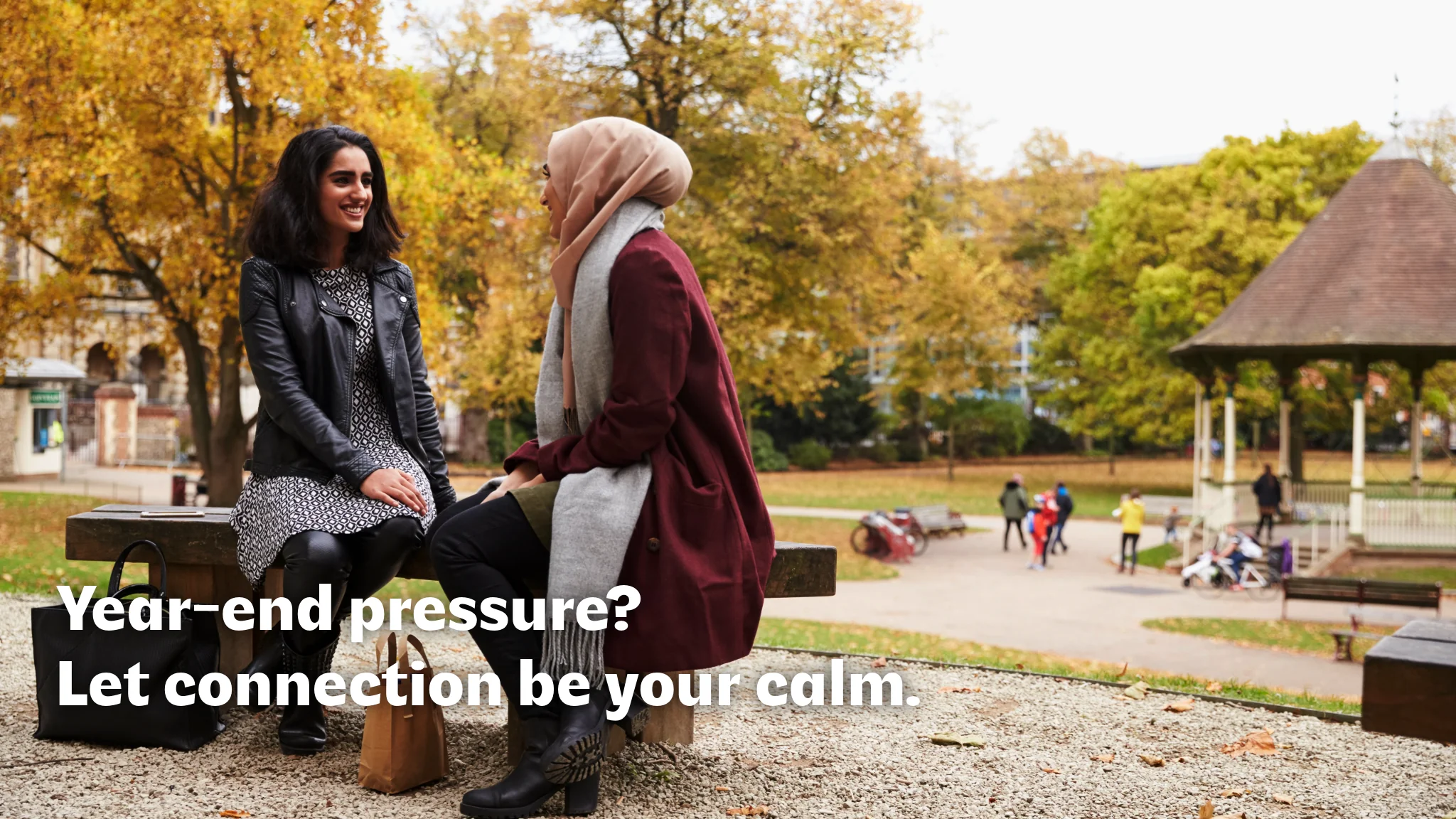
Here’s one of the cruelest ironies of holiday stress: the season emphasizes togetherness and connection, yet many people feel more isolated than ever. Social media amplifies this disconnect, flooding feeds with curated images of perfect gatherings while you might be struggling just to get through the day.
True connection, the kind that actually supports mental health, isn’t about crowded parties or obligatory gatherings. It’s about authentic interactions where you feel seen, heard, and accepted. When you’re already stressed, forced socializing can increase anxiety rather than relieve it.
Understanding your own capacity for social interaction during stressful periods is part of maintaining emotional wellness. If you find yourself dreading social commitments or feeling drained rather than energized by holiday gatherings, that’s important information about what you need.
Practical Strategies for Managing Holiday Stress
Managing stress during the holidays doesn’t mean eliminating all pressure or creating a perfect, stress-free experience. Instead, it means building resilience, setting boundaries, and making intentional choices that protect your mental health.
Set Realistic Expectations
The fantasy of the “perfect holiday” creates unnecessary pressure. Instead of trying to recreate idealized memories or meet external expectations, identify what actually matters to you. This might mean simplifying traditions, skipping certain events, or creating entirely new rituals that better reflect your current needs and circumstances.
Ask yourself: “What would make this season feel meaningful rather than overwhelming?” Your answer might surprise you, and it might be simpler than you think.
Protect Your Time and Energy
Every “yes” to a commitment is a “no” to something else, often your own rest and recovery. Before agreeing to obligations, pause and honestly assess whether you have the emotional and physical capacity.
Practice saying no without lengthy explanations: “I appreciate the invitation, but I won’t be able to make it.” You don’t owe anyone a detailed justification for protecting your wellbeing.
If you’re struggling to set boundaries or finding that people-pleasing patterns are compromising your mental health, professional treatment for anxiety can provide support in developing these essential skills.
Address Financial Stress Directly
Money anxiety intensifies during the holidays, but avoiding the issue only increases stress. Set a clear budget before any shopping begins, and communicate openly with friends and family about spending limits.
Consider alternatives to expensive gifts: time spent together, homemade items, or experiences that don’t require significant financial investment. Most people value thoughtfulness over price tags, even if consumer culture suggests otherwise.
Maintain Your Routines
When schedules become chaotic, basic self-care often disappears first. Ironically, this is when you need these practices most. Prioritize sleep, regular meals, movement, and whatever daily habits support your mental health, whether that’s morning coffee in silence, evening walks, or time for creative pursuits.
Consistency in these areas creates stability even when other parts of life feel unpredictable. If you notice your baseline routines slipping away, that’s a signal to reassess your commitments and create space for what sustains you.
Seek Support When You Need It
Struggling during the holidays doesn’t mean something is wrong with you. It means you’re human. If stress becomes unmanageable, professional support can provide strategies tailored to your specific situation.
Treatment for depression and other mental health conditions offers evidence-based approaches for managing overwhelming emotions, processing difficult family dynamics, and building coping strategies that extend beyond the holiday season. You don’t need to wait until you’re in crisis to reach out.
Creating Meaningful Connection
While the holidays emphasize quantity (more parties, more people, more togetherness), quality matters more for genuine connection and mental wellbeing.
Choose Depth Over Breadth
Instead of trying to see everyone, focus on spending meaningful time with people who energize rather than drain you. One two-hour dinner with close friends who truly understand you provides more connection than five surface-level holiday parties.
Practice Vulnerable Communication
Real connection requires honesty. When someone asks how you’re doing, consider sharing truthfully rather than defaulting to “fine” or “busy.” Vulnerability invites deeper conversation and often reveals that others are struggling too.
This doesn’t mean oversharing with acquaintances, but it does mean being authentic with people you trust. Saying “I’m actually finding this season really challenging” opens the door for real support and reminds others they’re not alone in their struggles.
Create Space for Grief
If you’re missing someone who’s no longer present (through death, distance, or relationship changes), acknowledge that loss rather than suppressing it. The pressure to be cheerful can make grief feel unwelcome, but honoring what you’re missing is part of healthy emotional processing.
Consider creating rituals that acknowledge absence: lighting a candle, sharing memories, or simply allowing yourself time to feel sad without judgment.
Redefine What “Together” Means
Connection doesn’t require physical presence. Video calls, phone conversations, or even thoughtful text exchanges can provide meaningful interaction when in-person gatherings aren’t possible or desirable.
For those dealing with complicated family dynamics, limiting exposure while maintaining connection through shorter, more controlled interactions might be the healthiest approach. You can care about people and still need boundaries with them.
Moving Into the New Year Without Pressure
As December ends, the pressure to make dramatic changes or set ambitious resolutions often intensifies. But transformation rarely happens because of calendar dates. It happens through consistent, sustainable choices over time.
Instead of pressuring yourself to completely overhaul your life on January 1st, consider what small adjustments might support your wellbeing. Behavioral health support isn’t about perfection; it’s about progress and self-compassion.
If you’re entering the new year knowing you need additional support for your mental health, that awareness itself is valuable. Reaching out doesn’t mean you’ve failed. It means you’re taking your wellbeing seriously.
When to Seek Professional Support
Sometimes holiday stress reveals deeper mental health concerns that deserve professional attention. According to the National Institute of Mental Health, it’s important to consider reaching out to mental health services if you’re experiencing:
- Persistent feelings of sadness, hopelessness, or emptiness
- Anxiety that interferes with daily functioning
- Difficulty sleeping or changes in appetite
- Increased substance use as a coping mechanism
- Thoughts of self-harm or suicide
- Inability to experience pleasure in activities you usually enjoy
At BestMind Behavioral Health, we understand that seeking help (especially during a season when you’re “supposed” to feel happy) takes courage. Our team provides compassionate, evidence-based care that meets you where you are, without judgment about what you “should” be feeling.
Finding Your Way Through
The holidays don’t have to be perfect to be meaningful. They don’t have to look like anyone else’s celebration to be valid. And struggling through this season doesn’t mean you’re doing something wrong. It means you’re navigating genuinely difficult circumstances with the resources you have available.
Managing holiday stress means giving yourself permission to do what you need rather than what’s expected. It means prioritizing genuine connection over obligatory socializing. It means ending the year in whatever way serves your mental health, even if that doesn’t match the cultural narrative.
You don’t have to wait until you’re in crisis to reach out for support. If you’re finding this season overwhelming, professional help can provide strategies, perspective, and compassionate space to process what you’re experiencing.
The Mayo Clinic emphasizes that self-care during stressful periods isn’t selfish; it’s necessary. The new year will arrive regardless of how you perform during December. What matters is that you move through this season with as much self-compassion and support as possible, and that starts with acknowledging your real needs rather than performing someone else’s version of holiday cheer.
If you’re struggling with holiday stress, anxiety, or depression, BestMind Behavioral Health is here to help. Contact us to learn more about our mental health services and how we can support you through this season and beyond.
