

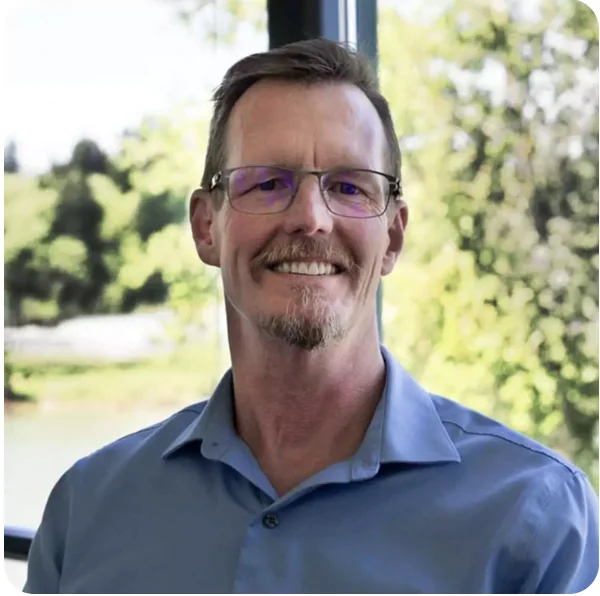
M.D. Medical Director, Psychiatrist
Every January, millions of people commit to ambitious New Year’s resolutions. We promise ourselves we’ll exercise more, eat healthier, reduce stress, or finally prioritize our mental wellness. Yet research shows that approximately 80% of these resolutions fail by February, and only about 9% of people successfully maintain their goals by year’s end.
If you’ve ever felt shame or frustration after abandoning a resolution, you’re far from alone. The problem isn’t a lack of willpower-it’s often that the resolution culture itself sets us up to struggle. At BestMind Behavioral Health, we believe there’s a better way: one rooted in self-compassion, professional support, and sustainable progress rather than perfection.
The Psychology Behind Resolution Failure
Understanding why resolutions fail can help remove the shame and self-blame that often follows. According to research published in the National Institutes of Health, people who frame their goals as “approach-oriented” (moving toward something positive) are significantly more successful than those with “avoidance-oriented” goals (trying to stop or eliminate behaviors). This means reframing “I need to stop being so anxious” to “I want to feel calmer and more in control” can make a meaningful difference.
Common Reasons Resolutions Don’t Stick
All-or-nothing thinking. When we view progress in black-and-white terms, a single setback can feel like total failure. Missing one workout becomes “I’ve ruined everything,” leading to complete abandonment of the goal.
Vague or unrealistic expectations. Goals like “get healthier” or “be less stressed” lack clear benchmarks. Without specific, measurable steps, it’s nearly impossible to track progress or feel accomplished.
External pressure over internal motivation. Many resolutions stem from societal expectations or what we think we should want, rather than what genuinely matters to us. Goals rooted in external pressure rarely create lasting change.
Ignoring underlying mental health needs. Perhaps most importantly, many people set goals without addressing the depression, anxiety, or other mental health challenges that may be making daily life feel overwhelming in the first place.
Reframing Resolution Culture Through a Mental Health Lens
What if, instead of setting rigid goals tied to a calendar date, you focused on building a foundation of mental wellness that supports all your aspirations? This shift-from perfection to sustainability-is at the heart of meaningful, lasting change.
Progress Over Perfection
Psychology Today reports that successful people approach setbacks as feedback, not failure. If you miss a few days of a new habit because life got overwhelming, that’s not a reason to quit-it’s information that your plan might need adjustment.
This mindset aligns with how mental health professionals approach treatment. At BestMind Behavioral Health, our personalized treatment plans are designed to be flexible and responsive. We know that healing isn’t linear, and neither is personal growth.
Start with Your Mental Health Foundation
Before you can consistently show up for new habits, it helps to address what might be getting in the way. Persistent feelings of hopelessness, excessive worry, difficulty concentrating, or changes in sleep and appetite can all make it harder to pursue goals-and these are often signs that professional support could help.
According to the Mental Health First Aid curriculum, early intervention can prevent symptoms from escalating and significantly improve outcomes. Seeking help early in the year isn’t a sign of weakness-it’s one of the most effective steps you can take toward the life you want.
Why Seeking Care Early in the Year Makes Sense
January often brings a wave of motivation, making it an ideal time to connect with a mental health provider. Rather than viewing therapy or psychiatric care as a last resort, consider it part of a proactive wellness strategy-similar to scheduling an annual physical or dental checkup.
Benefits of Early Mental Health Intervention
Better treatment outcomes. The earlier mental health concerns are addressed, the greater the likelihood of successful management and recovery.
Preventing escalation. Depression and anxiety often worsen when left untreated. Early intervention can prevent mild symptoms from progressing into more severe conditions.
Building coping strategies. Working with a professional helps you develop tools for managing stress, regulating emotions, and navigating challenges-skills that support every goal you set.
Reducing shame. When seeking care is normalized, you’re less likely to suffer in silence or beat yourself up for struggling.
A Different Approach: Sustainable Support at BestMind Behavioral Health
At BestMind Behavioral Health, we serve communities across Oregon and Washington, including Portland, Salem, Eugene, Bend, Clackamas, and Vancouver. Our approach emphasizes meeting you where you are and building a treatment plan that fits your life.
Our Services
Medication Management: Our licensed psychiatrists, physician assistants, and nurse practitioners work closely with you to find the right medication approach-if medication is part of your treatment-with ongoing monitoring and adjustments as needed.
TMS Therapy: For those who haven’t found relief with traditional treatments, Transcranial Magnetic Stimulation (TMS) offers a non-invasive, FDA-approved option that uses magnetic pulses to stimulate areas of the brain associated with mood.
Telemedicine: We understand that busy schedules and transportation can be barriers to care. Our telehealth services allow you to connect with a provider from the comfort of your home.
Conditions We Treat
We specialize in treating a range of mental health conditions, including depression, anxiety, ADHD, PTSD, bipolar disorder, OCD, and treatment-resistant depression. Whatever you’re facing, you don’t have to face it alone.
Moving Forward with Self-Compassion
This year, consider releasing the pressure of resolution culture. Instead of rigid goals that demand perfection, focus on:
Small, consistent steps. What’s one manageable change you can make this week? Progress compounds over time.
Self-compassion when you stumble. Treating yourself with the same kindness you’d offer a friend creates space for growth without shame.
Professional support when needed. A mental health provider can help you understand what’s holding you back and develop strategies tailored to your unique situation.
Approach-oriented framing. Focus on what you’re moving toward, not what you’re running from.
You Deserve Support-Not Just Motivation
Motivation fades. Willpower has limits. But consistent support-from professionals who understand mental health, from loved ones who encourage you, and from your own commitment to treating yourself with kindness-creates the conditions for real, lasting change.
If you’re in Oregon or Washington and ready to prioritize your mental wellness this year, BestMind Behavioral Health is here to help. We offer new patient appointments within 48 hours, accept most major insurance plans, and provide both in-person and telehealth options.
This January, skip the pressure. Choose progress. And know that reaching out for help isn’t giving up on your goals-it’s giving yourself the foundation to actually achieve them.
Ready to take the first step? Contact BestMind Behavioral Health today to schedule your consultation. Serving Portland, Salem, Eugene, Bend, Clackamas, Northeast Portland, and Vancouver.
